

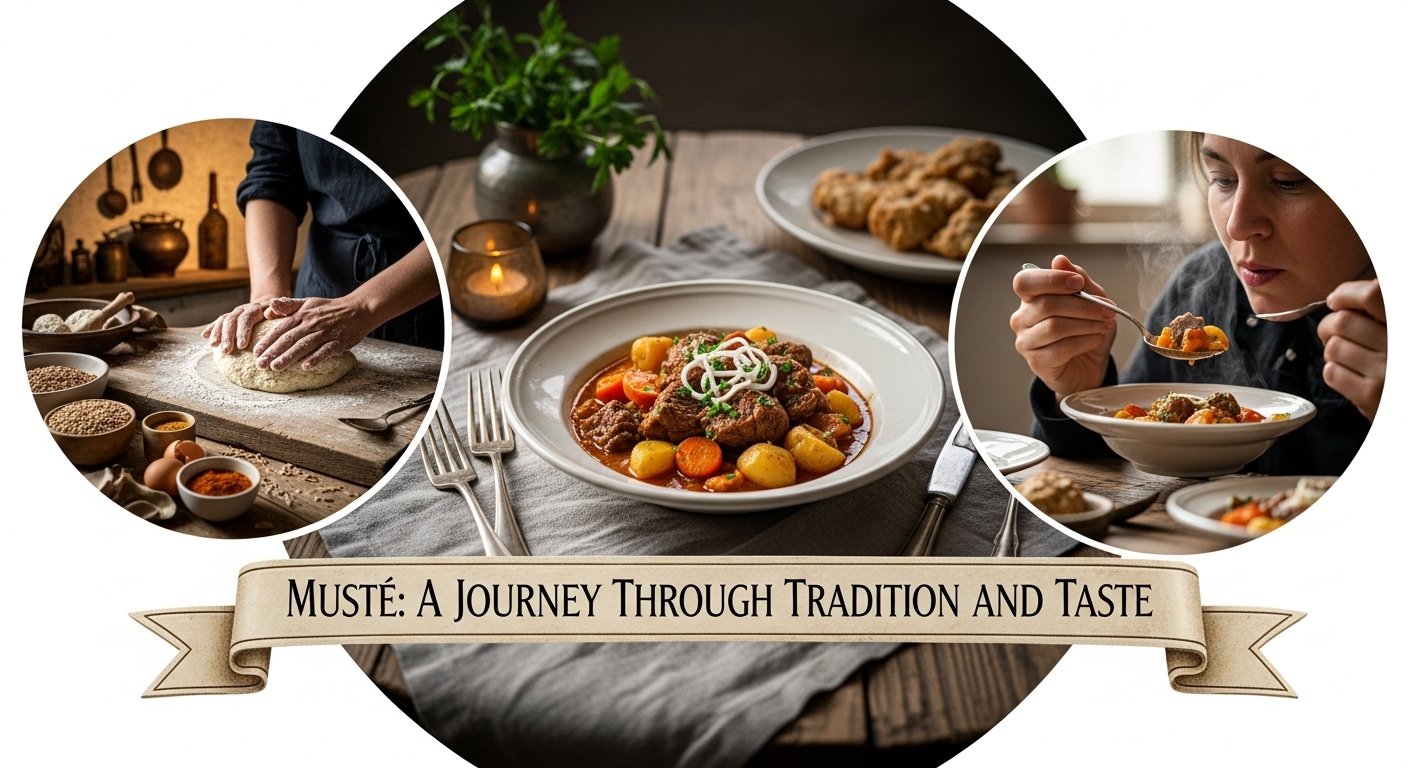
Musté has long been a symbol of heritage and culinary artistry, cherished across generations. Originating in regions renowned for their rich agricultural and cultural traditions, Musté embodies the harmony between time-honored recipes and local ingredients. Families have passed down these recipes for centuries, preserving flavors that resonate with nostalgia and authenticity. The process of making Musté is not just about cooking; it is a celebration of community and shared experience. Each ingredient is carefully selected to ensure the taste remains true to its origins, maintaining the delicate balance of flavors that have made Musté an enduring favorite.
Throughout its history, Musté has evolved to accommodate both regional preferences and modern palates. Traditional kitchens often emphasize slow-cooked techniques, where patience allows the flavors to deepen and intertwine. In many households, preparing Musté is considered an art form, a way to honor ancestors and their culinary wisdom. Even as contemporary variations emerge, the core essence of Musté remains intact, bridging the gap between past and present in a single, flavorful dish.
Musté and Its Cultural Significance
Musté is more than a culinary delight; it is deeply woven into cultural traditions and celebrations. In many communities, Musté is served during festivals, family gatherings, and ceremonial occasions, symbolizing hospitality and warmth. Sharing Musté is an act of connection, inviting people to partake in a ritual that transcends mere nourishment. Its preparation often involves communal participation, reinforcing bonds among family members and neighbors. The cultural significance of Musté lies not only in its flavor but also in the stories, rituals, and memories it carries from generation to generation.
The dish also serves as a representation of regional identity, reflecting local ingredients and culinary methods. Different areas may offer unique interpretations of Musté, each highlighting the agricultural diversity and historical influences of the region. These variations enrich the cultural tapestry surrounding Musté, providing enthusiasts with a spectrum of experiences. By appreciating Musté, one gains insight into the values, traditions, and lifestyle of the communities that hold it dear, making every bite an exploration of heritage and taste.
Ingredients That Define Musté
The magic of Musté begins with its ingredients, chosen for their freshness and compatibility. Local grains, aromatic spices, and naturally sourced flavorings create a layered taste profile that distinguishes Musté from other dishes. Each component plays a vital role, with careful attention paid to proportions and combinations to ensure harmony. The use of seasonal ingredients not only enhances flavor but also reflects the connection between culinary practice and the environment. This attentiveness to ingredient selection underlines the dedication to preserving Musté’s authentic taste.
Many recipes also incorporate regional herbs or condiments, enhancing both aroma and complexity. The process emphasizes balance, where no single ingredient overpowers another, resulting in a cohesive flavor profile. Traditional preparation often involves soaking, grinding, or slow cooking, allowing the natural qualities of each ingredient to emerge fully. By prioritizing quality and method, Musté achieves a depth of taste that resonates with both historical authenticity and modern palates, maintaining its revered status in culinary culture.
| Ingredient | Role in Musté | Regional Variations |
|---|---|---|
| Local grains | Base texture and body | Barley, wheat, or maize |
| Aromatic spices | Flavor and aroma | Cinnamon, cloves, nutmeg |
| Herbs and condiments | Freshness and depth | Basil, thyme, or regional greens |
| Sweeteners | Balance and subtlety | Honey, cane sugar, or fruit syrups |
The Preparation of Musté
Preparing Musté is an intricate process that combines precision and creativity. Each stage, from ingredient selection to cooking, demands attention to detail. Traditional techniques often call for slow simmering or layering, which enhances the depth and richness of flavors. The preparation is not merely functional; it is an artistic process where the cook becomes a storyteller, expressing culture and taste through method and timing. Such meticulous care ensures that each serving of captures the essence of its heritage while offering a memorable culinary experience.
Beyond cooking methods, presentation plays an essential role in Musté’s appeal. Garnishing with fresh herbs, nuts, or edible flowers is common, enhancing both visual and sensory pleasure. Serving often involves rituals that honor family traditions or regional customs, making it more than just a meal. Every aspect, from preparation to consumption, contributes to the overall experience, connecting taste with history and community. In this way, continues to be celebrated not only as food but as a living cultural artifact.
Musté in Modern Cuisine
As culinary trends evolve, Musté has found a place in contemporary kitchens worldwide. Chefs and home cooks alike experiment with fusion variations, integrating new flavors while respecting traditional roots. These modern interpretations allow Musté to remain relevant in diverse culinary landscapes, appealing to both traditionalists and adventurous eaters. The dish’s versatility encourages innovation, whether in presentation, ingredient substitution, or pairing with complementary courses. Modern maintains the integrity of the original while showcasing creativity and adaptation.
Contemporary dining experiences often highlight Musté in gastronomy events, restaurants, and home cooking alike. Its adaptability to modern dietary preferences, such as vegetarian or gluten-free options, has expanded its reach. Despite these innovations, the heart of remains rooted in tradition, ensuring that every adaptation respects its history. This fusion of heritage and innovation reflects the broader trend of preserving cultural cuisine while embracing new culinary possibilities, making both timeless and contemporary.
| Modern Variation | Description | Popular Region |
|---|---|---|
| Fusion Musté | Combines traditional and global flavors | Urban restaurants |
| Vegetarian Musté | Uses plant-based ingredients exclusively | Health-conscious markets |
| Sweet Musté | Enhanced with natural sweeteners | Desserts and festivals |
| Gluten-free Musté | Substitutes traditional grains | International kitchens |
Musté as a Culinary Experience
Enjoying Musté is a multi-sensory journey that engages taste, smell, and sight. The richness of aroma, the harmony of flavors, and the artful presentation make it an immersive experience. Consuming is often accompanied by storytelling, music, or ritual, emphasizing its role in cultural continuity. It offers more than sustenance; it provides a connection to history, family, and community. The enjoyment of goes beyond flavor, offering an emotional and cultural resonance that few dishes can achieve.
Restaurants and cultural centers have also embraced Musté as part of experiential dining, creating spaces where patrons can learn about its origins while savoring its taste. Cooking classes and tasting sessions offer insight into traditional methods and ingredient selection, encouraging appreciation for the artistry involved. Through these experiences, serves as an ambassador of cultural heritage, inviting people from all backgrounds to engage with tradition through taste. Each bite becomes a reflection of history, craftsmanship, and the communal spirit that defines.
Preserving the Tradition of Musté
Preservation of Musté involves more than safeguarding recipes; it requires nurturing the cultural context in which it thrives. Families, culinary schools, and communities work together to ensure that knowledge is passed down authentically. Documenting methods, ingredients, and stories is essential to keeping the tradition alive, bridging generations. Preservation efforts also include promoting through cultural events, festivals, and international platforms, highlighting its relevance in a rapidly changing culinary world.
Modern technology has also played a role in preserving Musté. Digital archives, cooking videos, and social media platforms enable broader sharing of techniques and recipes, connecting enthusiasts globally. These platforms ensure that legacy is accessible while respecting its origins. Education and engagement become critical tools, empowering new generations to appreciate and sustain the traditions that have shaped this culinary treasure. By combining heritage with modern tools, continues to thrive as both a cultural and gastronomic icon.
| Preservation Method | Description | Impact on Tradition |
|---|---|---|
| Family Recipes | Handed down through generations | Maintains authenticity |
| Culinary Workshops | Teach traditional preparation methods | Educates wider audience |
| Digital Media | Online videos and blogs | Global accessibility |
| Cultural Festivals | Public celebrations and tastings | Strengthens communal ties |
Conclusion
Musté represents a rich intersection of tradition, culture, and taste. From its historical origins to modern adaptations, it continues to captivate food enthusiasts around the world. Every ingredient, preparation step, and cultural practice contributes to its enduring legacy, making more than just a dish it is a living story. By exploring, one not only experiences remarkable flavors but also connects with the heritage, craftsmanship, and communal spirit that have preserved it through centuries.
Whether enjoyed at home, in a restaurant, or during a cultural festival, Musté remains a symbol of culinary artistry and tradition. Its ability to adapt while honoring its roots ensures that will continue to be celebrated for generations to come. In every bite lies a journey through taste, culture, and history, offering a unique experience that is as enriching as it is flavorful.