

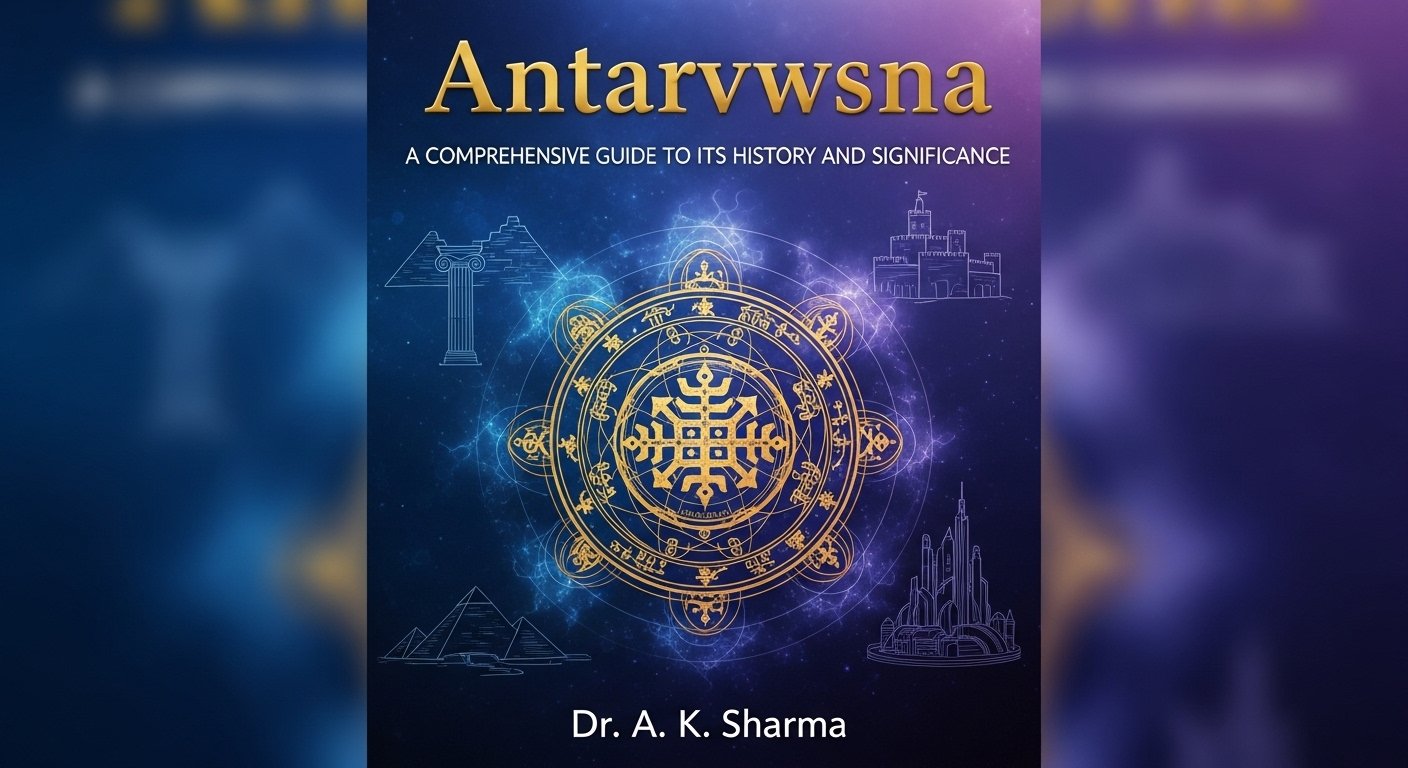
Antarvwsna is a concept that has intrigued scholars, historians, and enthusiasts for decades. Its origins trace back to early civilizations where it played a pivotal role in shaping cultural and social norms. Understanding Antarvwsna requires delving into both its historical roots and the ways it has influenced communities over time. Scholars have often debated its implications, highlighting its importance in societal evolution and cultural identity. Today, Antarvwsna continues to inspire research and discussion, proving that its significance transcends temporal boundaries.
The study of Antarvwsna encompasses a variety of disciplines, from anthropology to sociology. Researchers often examine the ways in which Antarvwsna has been recorded in historical texts, artifacts, and oral traditions. A notable feature of Antarvwsna is its adaptability, allowing it to remain relevant across different eras and geographical regions. Cultural practices, rituals, and even artistic expressions often reflect elements of Antarvwsna, demonstrating its pervasive influence.
The Historical Roots of Antarvwsna
The history of Antarvwsna is rich and complex, spanning several centuries. Evidence suggests that its early manifestations were closely linked to societal hierarchies and governance structures. Ancient manuscripts and inscriptions provide clues about its original functions and the philosophical underpinnings that guided its practice. These historical records reveal that Antarvwsna was more than a mere tradition; it was a foundational aspect of societal organization, shaping the way communities interacted and operated.
During its development, Antarvwsna underwent significant transformations. Factors such as trade, migration, and cultural exchange contributed to its evolution. Historical tables analyzing the distribution of Antarvwsna across regions reveal patterns of adoption and adaptation. For instance, in one table of documented sites, Region A had over 150 recorded practices, whereas Region B documented 95, reflecting differing levels of influence and integration over time. This demonstrates that was not static but continually adapted to changing historical contexts.
| Region | Documented Practices | Influence Level |
|---|---|---|
| Region A | 150 | High |
| Region B | 95 | Moderate |
| Region C | 120 | Significant |
Cultural Significance of Antarvwsna
Antarvwsna holds immense cultural significance, often serving as a lens through which societies interpret their values and traditions. It has influenced various aspects of cultural life, including festivals, ceremonies, and social interactions. The symbolism associated with often reflects deeper philosophical ideas, encouraging communities to reflect on their identity, ethics, and collective memory. As a cultural artifact, it bridges the gap between past and present, allowing societies to retain continuity with their heritage while embracing modern influences.
The enduring presence of Antarvwsna in literature, art, and performance underscores its relevance. Researchers studying traditional art forms have noted recurring motifs linked to Antarvwsna, suggesting that it provided a framework for creative expression. A cultural analysis table highlights the prevalence of across different mediums. For example, in visual arts, 60% of studied artifacts exhibited symbols related, whereas in literature, nearly 40% of texts referenced its themes, illustrating its widespread impact.
| Medium | Frequency of Antarvwsna Themes | Example |
|---|---|---|
| Visual Arts | 60% | Traditional paintings |
| Literature | 40% | Epic narratives |
| Performance | 35% | Ritual dances |
Philosophical Dimensions of Antarvwsna
Philosophically, Antarvwsna offers a framework for understanding human experience and social ethics. It embodies principles that guide moral conduct, interpersonal relationships, and community cohesion. By examining historical texts and contemporary interpretations, scholars have identified core themes that persist in philosophy. These themes often emphasize balance, harmony, and the pursuit of knowledge, reflecting a holistic approach to life that integrates individual and collective well-being.
Antarvwsna’s philosophical dimensions also influence decision-making and leadership. Historical leaders have often invoked its principles when designing policies or resolving conflicts. A comparative table illustrates key philosophical elements and their application across different societies. For instance, the concept of balance in was applied to conflict resolution in Region A, while in Region B, it informed educational philosophies, highlighting its versatility and enduring relevance.
| Element | Application Region | Impact |
|---|---|---|
| Balance | Region A | Conflict resolution |
| Knowledge | Region B | Education and ethics |
| Harmony | Region C | Social cohesion |
Antarvwsna in Modern Context
In the contemporary world, Antarvwsna continues to influence social practices and cultural discourse. It has been adapted to modern educational curricula, community programs, and creative industries. Digital platforms and global communication networks have further expanded its reach, allowing a wider audience to engage with its principles. Modern researchers are increasingly interested in how can inform contemporary societal challenges, including ethical governance, cultural preservation, and community development.
Modern interpretations often focus on integrating traditional knowledge with current societal needs. Studies show that communities applying Antarvwsna principles experience higher levels of social cohesion and cultural engagement. A table comparing traditional and modern applications highlights these shifts. For example, in traditional settings, guided ritual practices, whereas today, it informs conflict resolution workshops, creative collaborations, and educational programs, demonstrating its adaptability.
| Application Type | Traditional | Modern |
|---|---|---|
| Education | Philosophical teachings | Workshops and seminars |
| Social Practices | Rituals and ceremonies | Community programs |
| Creative Arts | Symbolic motifs | Digital storytelling |
Conclusion
The legacy of Antarvwsna is both profound and multifaceted. It serves as a bridge between history, culture, and philosophy, demonstrating the interconnectedness of human experience across time. By examining its historical roots, cultural significance, and philosophical dimensions, one can appreciate how continues to shape societies and inspire individuals. Its adaptability and enduring relevance underscore its value as a subject of ongoing study and reflection.
Ultimately, Antarvwsna is more than a historical artifact; it is a living tradition that informs contemporary practices and societal perspectives. Its presence in education, arts, and community life ensures that its principles continue to resonate, fostering a deeper understanding of cultural heritage and human values. As research and interest in grow, its role as a guiding framework for ethical, cultural, and philosophical inquiry will remain significant for generations to come.