
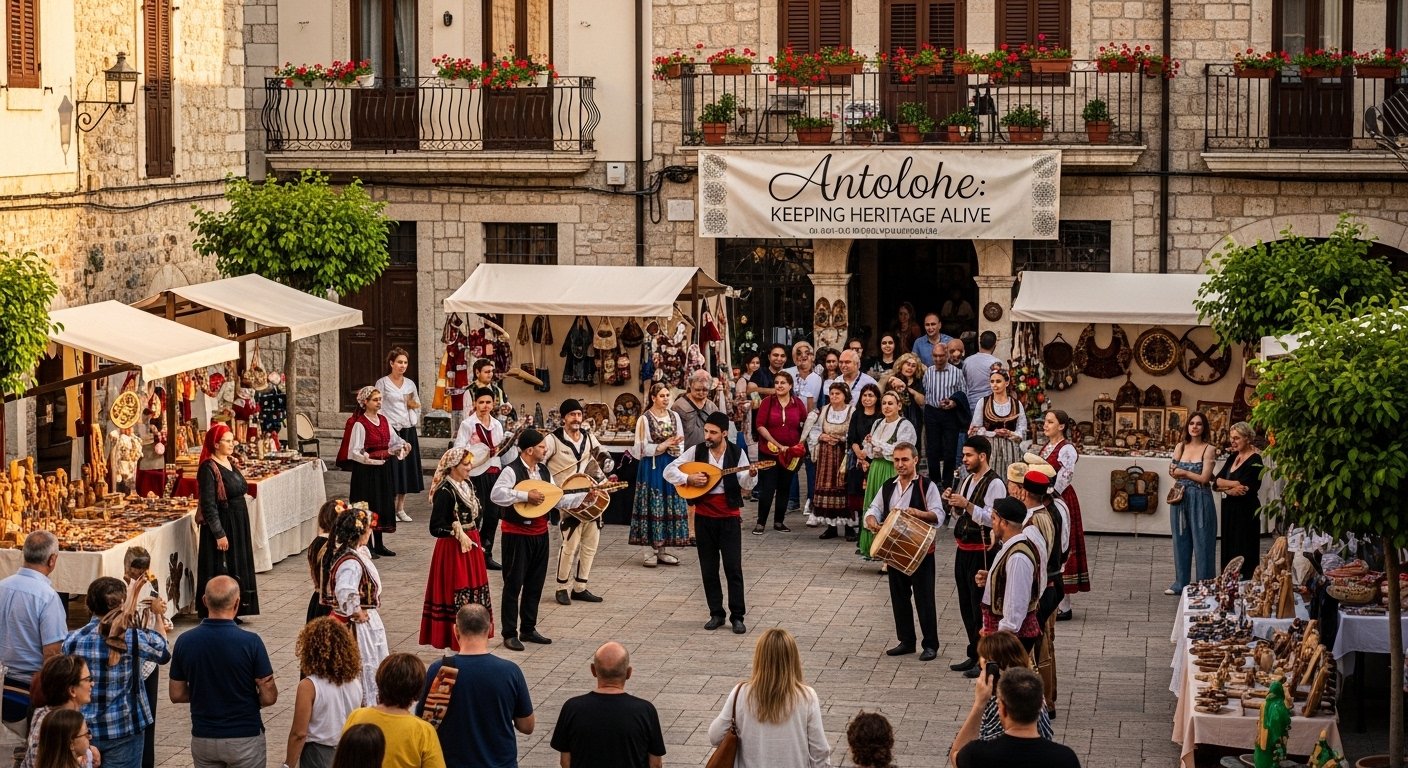
Cultural heritage forms the backbone of societies worldwide, shaping identities, values, and traditions. Antolohe: Efforts to Keep Cultural Heritage Alive focuses on the global movement to preserve this invaluable legacy. From historical sites to traditional arts, Antolohe initiatives aim to ensure that cultural heritage continues to thrive in modern times.
Understanding Cultural Heritage
Cultural heritage encompasses tangible and intangible aspects of a society’s history. Tangible heritage includes artifacts, monuments, and historic buildings, while intangible heritage covers language, rituals, and performing arts. Protecting both forms requires dedicated efforts, and Antolohe has emerged as a pivotal player in this mission.
Types of Cultural Heritage
| Type | Description | Example |
|---|---|---|
| Tangible | Physical objects and places that have historical significance | Ancient temples, historic manuscripts |
| Intangible | Traditions, oral histories, performing arts | Folk music, traditional dances |
| Natural | Sites with cultural significance intertwined with nature | Sacred mountains, rivers |
| Digital | Cultural content preserved in digital formats | Virtual museum archives, 3D scans of artifacts |
Antolohe’s Mission and Vision
The core mission of Antolohe is to ensure that cultural heritage is not lost amid globalization and modernization. The vision involves creating sustainable programs, engaging communities, and leveraging technology to document and revive traditions. By doing so, Antolohe bridges the gap between past and present, fostering awareness and participation among younger generations.
Objectives of Antolohe
-
Document and archive endangered cultural practices
-
Support artisans and local communities financially and educationally
-
Raise global awareness about cultural preservation
-
Develop technological solutions to enhance accessibility
Community Engagement in Cultural Preservation
One of the most effective strategies Antolohe employs is community involvement. Local communities are the custodians of traditions, and engaging them ensures authenticity and sustainability. Workshops, cultural festivals, and interactive educational programs are some of the key initiatives.
Role of Education
Educational institutions play a crucial role in nurturing cultural appreciation. Antolohe collaborates with schools and universities to integrate cultural heritage into curricula. Students participate in field trips, research projects, and hands-on workshops, fostering a sense of responsibility toward preserving local traditions.
| Program | Target Audience | Outcome |
|---|---|---|
| Heritage Workshops | Students and local youth | Practical skills in traditional crafts |
| Oral History Projects | Community elders and youth | Documentation of folklore and stories |
| Cultural Festivals | General public | Celebration and promotion of traditions |
| Digital Archives | Researchers and enthusiasts | Easy access to rare artifacts and knowledge |
Technological Advancements and Antolohe
Technology has revolutionized cultural preservation, and Antolohe has been at the forefront of adopting innovative tools. From virtual reality museum tours to AI-assisted restoration of artifacts, these technologies allow broader access and engagement. Digital archiving ensures that even fragile items are preserved for future generations.
Digital Heritage Initiatives
-
3D scanning and printing of artifacts for educational use
-
Online databases of cultural traditions and rituals
-
Virtual reality experiences of historic sites
-
Mobile apps to teach traditional languages and arts
Challenges in Preserving Cultural Heritage
Despite significant progress, Antolohe faces challenges in its mission. Urbanization, climate change, and lack of funding threaten many heritage sites. Additionally, younger generations may be disconnected from traditional practices, making awareness campaigns essential.
Strategies to Overcome Challenges
-
Partnering with local and international organizations for funding and expertise
-
Incorporating cultural heritage into sustainable tourism models
-
Encouraging youth-led projects and digital storytelling
-
Policy advocacy to protect historical sites and traditions
| Challenge | Impact | Antolohe’s Response |
|---|---|---|
| Urbanization | Loss of historic buildings | Advocacy and heritage mapping |
| Climate Change | Damage to natural heritage | Climate-adaptive preservation techniques |
| Funding Shortages | Limited project implementation | Partnerships and crowdfunding |
| Generational Disconnect | Loss of traditional knowledge | Educational programs and digital platforms |
Success Stories from Antolohe
Antolohe has made measurable impacts in regions where cultural heritage was at risk. For instance, restoration of local temples in South Asia and documentation of indigenous languages in Latin America have been landmark achievements. These successes demonstrate that with strategic planning, collaboration, and innovation, cultural preservation is possible.
Key Achievements
-
Over 1000 artisans supported through grants and training
-
Digitization of 500+ rare manuscripts and artifacts
-
50+ community workshops conducted globally
-
International recognition for heritage preservation initiatives
The Global Importance of Cultural Preservation
Preserving cultural heritage is not only a local concern but a global responsibility. It strengthens identity, promotes tourism, and fosters intercultural understanding. Antolohe’s efforts contribute to a worldwide movement ensuring that traditions, languages, and historical sites remain intact for future generations.
Benefits of Preserving Cultural Heritage
-
Economic growth through tourism and cultural industries
-
Educational enrichment and historical awareness
-
Strengthened community bonds and social cohesion
-
Conservation of biodiversity and traditional ecological knowledge
How Individuals Can Contribute
Even small actions can support Antolohe’s mission. Individuals can participate in heritage festivals, volunteer in cultural projects, donate to preservation initiatives, and spread awareness online. By valuing and practicing traditional arts, crafts, and languages, every person contributes to keeping cultural heritage alive.
| Action | How to Participate | Expected Impact |
|---|---|---|
| Attend Festivals | Local or international cultural events | Promotes awareness and supports artisans |
| Volunteer | Community heritage projects | Hands-on preservation experience |
| Donations | Fund heritage documentation | Financial support for ongoing projects |
| Digital Advocacy | Share stories and media online | Global exposure and education |
Future of Cultural Heritage with Antolohe
Antolohe is committed to a future where cultural heritage is accessible, respected, and celebrated globally. Plans include expanding digital archives, increasing community-led initiatives, and advocating for stronger policies to protect cultural sites. This ensures that cultural heritage remains a living part of everyday life rather than a relic of the past.
Vision for the Next Decade
-
Expand international collaborations for cultural exchange
-
Use AI and AR for interactive heritage education
-
Empower youth as cultural ambassadors
-
Develop sustainable models for heritage tourism
Conclusion
The journey of Antolohe is a testament to the importance of preserving identity, history, and tradition. Through community engagement, education, technological innovation, and international collaboration, Antolohe continues to safeguard cultural treasures. Its efforts ensure that future generations inherit a world rich in heritage, knowledge, and cultural diversity. By supporting initiatives like Antolohe, societies can celebrate their past while building a culturally vibrant future.