

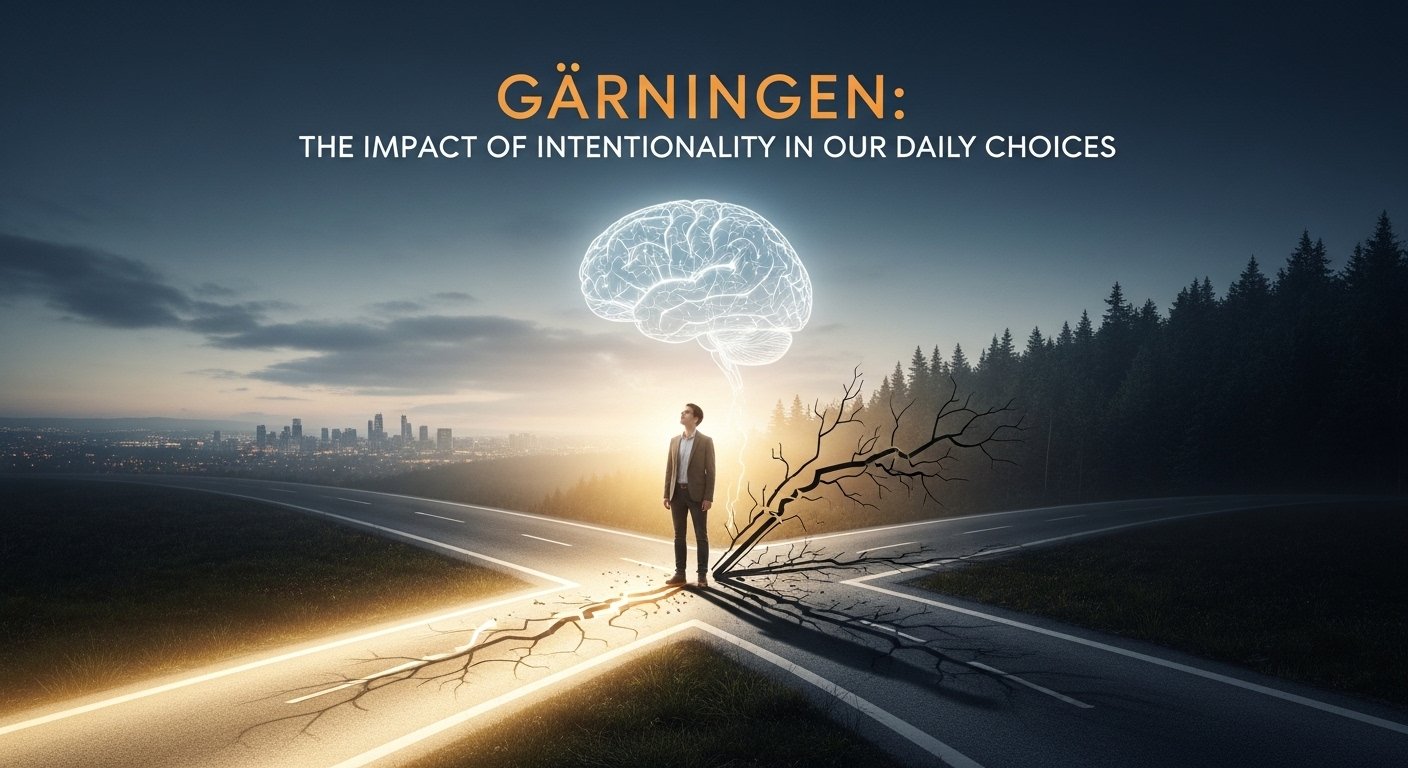
In the hustle of modern life, most people navigate daily routines without fully contemplating the consequences of their choices. The concept of Gärningen, rooted in the philosophy of intentionality, challenges this mindset by emphasizing the significance of purposeful actions. Unlike random decisions, choices guided by intentionality are deliberate, mindful, and aligned with personal values. By exploring Gärningen, we gain insight into how small, conscious actions cumulatively impact our overall life trajectory, well-being, and relationships. The influence of Gärningen extends beyond personal growth, affecting professional decisions, social interactions, and even societal norms. Recognizing the weight of each choice cultivates accountability and awareness, transforming ordinary habits into meaningful patterns.
The Philosophy of Gärningen and Intentionality
The idea of Gärningen has philosophical roots that date back centuries, intersecting with ethics, mindfulness, and existential thought. Intentionality, at its core, is the conscious direction of thought and action toward specific outcomes. Philosophers like Aristotle and later existentialists explored how deliberate choices shape character and destiny. In this context, Gärningen is not merely a concept but a guiding principle for living a reflective and purposeful life. Modern psychology supports this notion, demonstrating that intentional decisions lead to improved emotional regulation, higher satisfaction, and stronger resilience.
| Action Type | Characteristics | Impact on Well-Being | Example |
|---|---|---|---|
| Intentional (Gärningen) | Mindful, value-driven, deliberate | Positive emotional, social, and professional outcomes | Choosing to respond calmly in conflict |
| Non-Intentional | Habitual, impulsive, reactive | Stress, regret, lower life satisfaction | Reacting angrily without reflection |
This table demonstrates that Gärningen is not simply a philosophical term but a practical framework for evaluating the quality and consequence of actions.
Daily Choices and Their Ripple Effects
Every day, humans make hundreds of decisions, ranging from minor routine actions to significant life-altering choices. By integrating Gärningen into these decisions, individuals can transform ordinary behaviors into impactful actions. Consider the simple act of managing time. When approached with intentionality, scheduling tasks reflects personal priorities, reduces stress, and increases productivity. Conversely, a lack of conscious decision-making can result in inefficiency, frustration, and missed opportunities.
| Decision Type | Intentional Approach (Gärningen) | Consequences of Mindlessness |
|---|---|---|
| Health | Choosing meals consciously based on nutrition | Weight gain, fatigue |
| Work | Prioritizing tasks aligned with long-term goals | Missed deadlines, burnout |
| Relationships | Communicating with empathy and listening actively | Misunderstandings, weakened connections |
| Personal Growth | Engaging in reflective practices | Stagnation, lack of skill development |
Integrating Gärningen into daily life creates a pattern of consistent, meaningful actions, where even minor choices contribute to overall growth.
The Role of Mindfulness in Gärningen
Mindfulness is a key enabler of Gärningen. By maintaining awareness of the present moment, individuals can observe impulses, evaluate options, and act in alignment with their values. Mindfulness practices such as meditation, journaling, and reflective exercises strengthen the connection between intention and action. Recent studies in behavioral science suggest that intentional actions lead to measurable improvements in mental health and decision-making capacity. For instance, participants in mindfulness-based programs demonstrated higher emotional intelligence and reduced impulsivity, embodying the principles of Gärningen in their daily routines.
| Mindfulness Practice | Connection to Gärningen | Outcome |
|---|---|---|
| Meditation | Enhances awareness of thoughts | Better self-control and intentional responses |
| Journaling | Encourages reflection on choices | Greater alignment with values |
| Deep Breathing | Reduces impulsive reactions | Calm, measured decision-making |
| Mindful Observation | Improves perception of surroundings | More deliberate interactions |
Through mindful practices, Gärningen becomes more than an abstract idea—it becomes a tangible tool for personal transformation.
Gärningen in Personal and Professional Contexts
The concept of Gärningen transcends personal introspection, extending to professional and social environments. In the workplace, intentionality can manifest as strategic planning, ethical leadership, and proactive problem-solving. Teams that encourage reflective decision-making tend to exhibit higher productivity, stronger collaboration, and better conflict resolution. Similarly, social interactions benefit from applying Gärningen. Conscious choices in communication, empathy, and active listening foster stronger bonds, reduce misunderstandings, and create meaningful connections.
| Domain | Intentional Action (Gärningen) | Result |
|---|---|---|
| Personal Life | Practicing gratitude and empathy | Improved relationships and emotional balance |
| Career | Pursuing skill development aligned with goals | Career growth and satisfaction |
| Community | Volunteering or engaging responsibly | Positive social influence and fulfillment |
| Digital Life | Mindful use of technology | Reduced digital burnout and focus on priorities |
By applying Gärningen, individuals can harmonize their internal values with external actions, ensuring a coherent and meaningful life.
Challenges in Practicing Gärningen
While the concept of Gärningen offers substantial benefits, implementing it consistently can be challenging. Cognitive biases, societal pressures, and ingrained habits often interfere with intentional decision-making. For example, the tendency to seek instant gratification can conflict with long-term goals, while peer influence may encourage reactive behaviors. Overcoming these obstacles requires self-awareness, discipline, and structured reflection. Tools such as goal-setting frameworks, accountability systems, and mindfulness exercises can bridge the gap between intention and action.
| Challenge | Impact | Strategy to Uphold Gärningen |
|---|---|---|
| Impulsivity | Poor choices, regret | Mindfulness, pause-and-reflect techniques |
| Habitual Behavior | Automatic, unaligned actions | Habit tracking and incremental change |
| External Pressure | Decisions influenced by others | Establishing core values and boundaries |
| Overwhelm | Reduced intentionality due to stress | Time management, prioritization, and self-care |
Understanding these barriers allows individuals to create a sustainable approach to Gärningen, making intentionality a practical part of daily life rather than an aspirational ideal.
The Long-Term Benefits of Gärningen
Consistently practicing Gärningen yields profound long-term advantages. Intentional choices cultivate resilience, clarity of purpose, and a stronger sense of personal responsibility. Over time, these cumulative benefits can redefine an individual’s approach to life, turning ordinary experiences into meaningful milestones. From a psychological perspective, individuals who embrace Gärningen demonstrate higher levels of life satisfaction, emotional intelligence, and social cohesion.
| Timeframe | Benefits of Gärningen | Example |
|---|---|---|
| Short-Term | Reduced stress, mindful responses | Responding calmly in daily conflicts |
| Medium-Term | Enhanced skills and relationships | Career progression, stronger friendships |
| Long-Term | Personal growth, legacy-building | Mentoring others, shaping community norms |
By embedding intentionality in all aspects of life, Gärningen serves as a catalyst for sustained personal and societal development.
Conclusion
The concept of Gärningen teaches us that our daily choices are not trivial they are the building blocks of our character, relationships, and destiny. By consciously integrating intentionality into our actions, we transform mundane decisions into deliberate, value-driven acts that shape a meaningful life. Incorporating is a journey requiring mindfulness, reflection, and discipline. Yet the rewards are tangible: improved emotional well-being, stronger relationships, and a sense of fulfillment that comes from knowing each action aligns with personal values. Ultimately, invites everyone to reconsider the ordinary and recognize the extraordinary potential in intentional living. By committing to mindful choices, we not only improve ourselves but also contribute positively to the lives of others and the society we inhabit.