
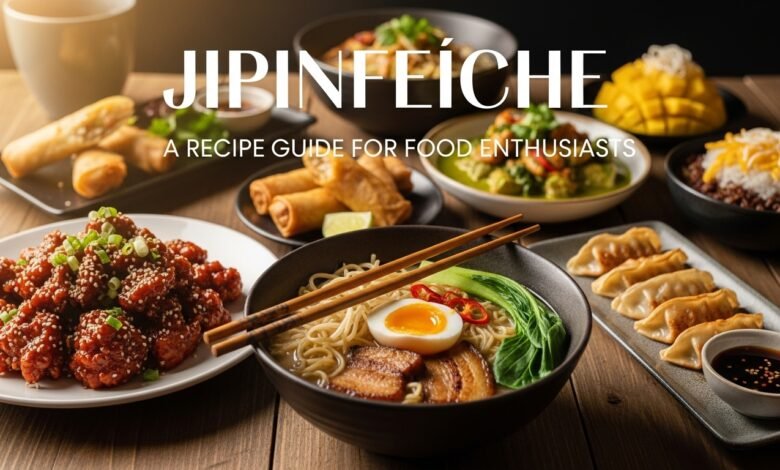
Jipinfeiche has emerged as a remarkable culinary concept, captivating food enthusiasts who seek both tradition and innovation in their cooking. This recipe guide offers a deep dive into the essence of Jipinfeiche, showcasing its versatility and the techniques that make each dish memorable. From exploring unique ingredients to mastering cooking methods, Jipinfeiche allows culinary lovers to transform ordinary meals into extraordinary experiences. Understanding its origins and practical applications can significantly elevate a home chef’s skill set, making this guide essential for anyone passionate about gastronomy.
At its core, Jipinfeiche represents a balance between flavor, texture, and presentation. Recipes inspired by this culinary style emphasize freshness, creativity, and a harmonious blend of ingredients. For food enthusiasts, the beauty of Jipinfeiche lies not only in its taste but also in its adaptability. Each recipe can be personalized to suit dietary preferences or cultural nuances, providing an enjoyable and educational cooking experience. This guide explores the foundational techniques and innovative twists that define Jipinfeiche, helping chefs elevate their culinary repertoire.
Understanding the Essence of Jipinfeiche
The essence of Jipinfeiche lies in its focus on ingredient integrity and precise preparation. Food enthusiasts quickly notice how each recipe emphasizes the natural flavors of ingredients, enhancing taste without overwhelming complexity. Fresh produce, aromatic herbs, and high-quality proteins are the backbone of this cooking style. Culinary experts often highlight that Jipinfeiche encourages experimentation, allowing chefs to explore flavor combinations that harmonize while remaining accessible to home kitchens.
Cooking Jipinfeiche recipes requires attention to detail and a respect for ingredient synergy. The method often involves layering flavors, using gentle techniques to preserve texture, and applying presentation skills that enhance the dining experience. For enthusiasts, this approach transforms cooking from a routine task into a creative endeavor. Whether preparing a simple vegetable dish or an intricate entrée, understanding the essence of Jipinfeiche ensures that each meal delivers both aesthetic appeal and exceptional taste.
Key Ingredients for Jipinfeiche Recipes
The foundation of any Jipinfeiche recipe begins with selecting the right ingredients. Fresh, locally sourced vegetables, aromatic herbs, and quality proteins are essential to achieving the vibrant flavors characteristic of this style. Specialty ingredients such as exotic spices or unique condiments may also be incorporated to introduce depth and complexity. Understanding ingredient interactions is crucial for food enthusiasts who want to replicate the authentic Jipinfeiche experience at home.
Herbs and seasonings in Jipinfeiche are used to accentuate rather than dominate flavors. Techniques such as light marinating, slow cooking, and gentle sautéing allow natural tastes to shine. Proteins, whether from plant or animal sources, are carefully chosen to complement the accompanying ingredients. This emphasis on quality ensures that dishes maintain a balanced and satisfying flavor profile, making Jipinfeiche a favorite among both amateur cooks and seasoned chefs seeking refined, approachable recipes.
| Ingredient Category | Examples | Culinary Use |
|---|---|---|
| Fresh Vegetables | Carrots, Spinach, Bell Peppers | Base for sautéing, steaming, or roasting |
| Proteins | Chicken, Tofu, Fish | Grilled, poached, or lightly marinated |
| Herbs & Spices | Basil, Thyme, Ginger | Flavor enhancement and aroma |
| Condiments | Olive Oil, Soy Sauce, Vinegar | Balancing and layering flavors |
Cooking Techniques in Jipinfeiche
Jipinfeiche is not just about ingredients but also about how they are prepared. Techniques such as steaming, light stir-frying, and slow roasting preserve flavor and texture while enhancing nutritional value. Food enthusiasts appreciate the subtlety of these methods, which allow for sophisticated dishes without requiring overly complex steps. Proper timing and temperature control are fundamental to achieving the delicate balance Jipinfeiche is known for.
Another crucial technique is layering flavors. By incorporating aromatics at different stages of cooking, chefs can create depth and interest in each dish. Sauces are often reduced gently to concentrate flavors without overpowering the main ingredients. Even the simplest recipes demonstrate this philosophy, showing that careful attention to technique can turn ordinary ingredients into extraordinary meals. Mastering these methods is a key component of becoming proficient in Jipinfeiche cooking.
Flavor Pairings and Presentation
Flavor pairings in Jipinfeiche focus on harmony rather than contrast. Complementary ingredients such as sweet vegetables with tangy sauces or mild proteins with aromatic herbs produce dishes that are balanced and appealing. Food enthusiasts often experiment with combinations, guided by principles of taste, texture, and aroma. Understanding these pairings allows cooks to develop dishes that feel both innovative and true to the essence of Jipinfeiche.
Presentation plays an equally important role in Jipinfeiche. Visual appeal enhances the dining experience, reflecting the care and creativity invested in the preparation. Simple garnishes, elegant plating techniques, and careful color coordination can transform a meal into a feast for the eyes as well as the palate. For food enthusiasts, these visual elements reinforce the connection between technique, flavor, and overall enjoyment, embodying the full spirit of Jipinfeiche.
| Flavor Type | Complementary Pairings | Suggested Usage |
|---|---|---|
| Sweet | Ginger, Citrus | Balance desserts or vegetables |
| Savory | Soy Sauce, Thyme | Enhance proteins and stir-fries |
| Umami | Mushrooms, Tomatoes | Add depth to sauces and soups |
| Fresh/Herbal | Basil, Parsley | Finish dishes for aroma and color |
Tips for Food Enthusiasts
Food enthusiasts aiming to master Jipinfeiche should prioritize ingredient quality and mindful preparation. Experimenting with seasonal produce encourages creativity while maintaining freshness. Understanding the science of cooking, such as how heat affects protein texture or how herbs release aroma, allows for more precise control over flavor and presentation. These insights help transform routine cooking into a refined and enjoyable practice.
Additionally, documenting experiments and adjusting recipes based on taste is an important part of embracing Jipinfeiche. Each dish provides an opportunity to learn, refine technique, and develop personal style. Sharing creations with family or social communities also enriches the experience, encouraging feedback and inspiration. Through patience, curiosity, and consistent practice, food enthusiasts can harness the full potential of Jipinfeiche to create dishes that are both delicious and memorable.
Conclusion
Jipinfeiche represents more than a culinary trend; it is a philosophy that combines quality ingredients, careful techniques, and thoughtful presentation. This recipe guide offers food enthusiasts a roadmap to explore its flavors, experiment with ingredients, and develop their culinary skills. By mastering Jipinfeiche, home cooks and professional chefs alike can elevate their dishes, creating memorable meals that delight both the eyes and the palate.
Ultimately, Jipinfeiche is about celebrating food in its most authentic form. The emphasis on freshness, harmony, and creativity empowers chefs to innovate while staying grounded in tradition. With dedication, attention to detail, and a love for cooking, food enthusiasts can fully experience the magic of Jipinfeiche, transforming everyday meals into extraordinary culinary journeys.