

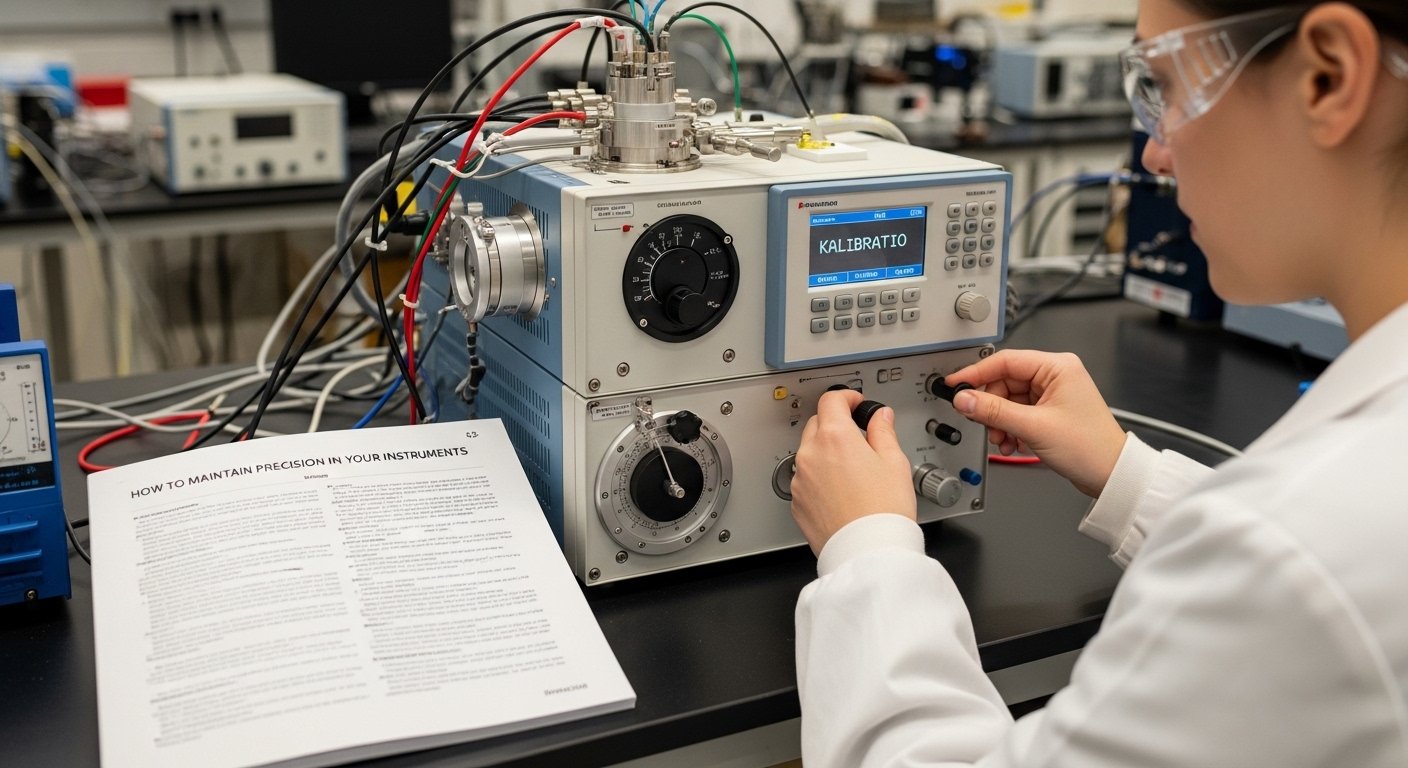
Kalibraatio is a critical process in ensuring the accuracy and reliability of measurement instruments. In scientific research, industrial applications, and technical operations, precise measurements are the backbone of quality and consistency. Kalibraatio allows users to verify that their instruments are delivering accurate readings, reducing errors that could compromise results. Without proper kalibraatio, even high-quality instruments can provide misleading data, which in turn affects decision-making processes and operational outcomes.
In practical terms, kalibraatio involves comparing an instrument’s measurements against a known standard and adjusting it to align with established benchmarks. For instance, a digital thermometer in a laboratory setting must be calibrated against a certified reference thermometer to ensure its readings are precise. Tables often play a role in documenting these adjustments, showing the differences before and after kalibraatio. For example, a calibration table may include the instrument’s readings, the reference standard, and the corrective adjustments applied. This systematic approach guarantees that every measurement aligns with recognized standards and maintains its credibility.
| Instrument Type | Reference Standard | Pre-Calibration Reading | Adjustment Applied | Post-Calibration Reading |
|---|---|---|---|---|
| Digital Thermometer | NIST Standard | 23.5°C | +0.3°C | 23.8°C |
| Pressure Gauge | ISO Certified | 150 kPa | -2 kPa | 148 kPa |
| Multimeter | ANSI Reference | 12.02 V | -0.02 V | 12.00 V |
Such tables are essential in industries where traceability and accountability are mandatory. Kalibraatio ensures not only the accuracy of instruments but also compliance with industry standards, regulations, and safety protocols.
The Importance of Regular Kalibraatio
Regular kalibraatio is crucial for any field that depends on precision instruments. Over time, instruments can drift due to mechanical wear, environmental factors, or electronic aging. For example, scales used in pharmaceutical production require frequent kalibraatio to maintain their exactness. Even a minor deviation could lead to inaccurate dosages, affecting both product quality and consumer safety.
Incorporating a schedule for kalibraatio into routine maintenance practices can prevent errors and reduce downtime. Industries often maintain a logbook that tracks each instrument’s calibration history. This log may include the date of calibration, the technician responsible, reference standards used, and any adjustments made. Such detailed documentation ensures accountability and facilitates audits or quality control checks.
| Instrument | Last Calibration Date | Next Scheduled Calibration | Technician |
|---|---|---|---|
| Analytical Balance | 12 Jan 2026 | 12 Jul 2026 | John Smith |
| pH Meter | 10 Feb 2026 | 10 Aug 2026 | Maria Lopez |
| Spectrophotometer | 01 Mar 2026 | 01 Sep 2026 | Ahmed Khan |
These records provide transparency, allowing teams to verify the reliability of instruments and maintain high-quality standards consistently.
Techniques and Best Practices for Effective Kalibraatio
The effectiveness of kalibraatio depends on following proven techniques and best practices. Instruments should be handled carefully, and calibration should be performed in controlled environments to minimize interference. Temperature fluctuations, humidity, or vibrations can impact results, making proper environmental control essential.
A structured approach begins with identifying the instruments that require calibration and establishing the acceptable tolerance ranges for each. Once these parameters are defined, technicians use certified standards to adjust instruments accordingly. Documentation is vital throughout this process. Recording each step ensures that future calibrations can be compared and verified, creating a reliable track record.
For instance, in laboratories, a spectrophotometer’s wavelength accuracy is checked against known light sources. By comparing the instrument’s readings with the reference, technicians can apply corrections if deviations are found. This methodical approach exemplifies how kalibraatio not only improves accuracy but also extends the operational life of instruments.
| Step | Description | Purpose |
|---|---|---|
| Identify Instruments | List all tools requiring calibration | Prioritize based on usage and criticality |
| Establish Standards | Select certified reference materials | Ensure accuracy of measurements |
| Conduct Calibration | Measure and adjust readings | Align with reference standards |
| Document Results | Record readings and adjustments | Maintain traceability and accountability |
By following these best practices, organizations can optimize the reliability of their instruments and ensure that operational decisions are based on precise data.
Common Challenges in Kalibraatio and How to Overcome Them
Despite its importance, kalibraatio can present challenges. Instrument drift, human error, environmental variations, and inconsistent standards are some of the obstacles that can compromise calibration accuracy. Addressing these challenges requires a combination of technical expertise and organizational discipline.
Human error can be minimized through training and automation. Many modern instruments feature built-in calibration routines, reducing dependency on manual adjustments. Environmental factors such as temperature and humidity can be controlled using laboratory-grade enclosures or climate-controlled rooms. Finally, maintaining high-quality reference standards ensures that calibration remains accurate and traceable.
| Challenge | Impact | Mitigation Strategy |
|---|---|---|
| Instrument Drift | Reduced measurement accuracy | Schedule frequent calibration |
| Human Error | Incorrect adjustments | Provide training and use automated systems |
| Environmental Variation | Inconsistent results | Maintain controlled conditions |
| Reference Standard Degradation | Compromised reliability | Regularly verify and replace standards |
By understanding and addressing these challenges, organizations can maintain the integrity of their instruments and sustain operational efficiency.
The Role of Technology in Modern Kalibraatio
Technology has revolutionized kalibraatio practices. Automated calibration systems, digital record-keeping, and advanced sensors simplify the process while improving accuracy. Software solutions can monitor instrument performance in real-time, alerting users to deviations before they affect results.
In industrial settings, connected devices can send calibration data directly to a centralized database, reducing human error and facilitating audits. Modern technology also allows for predictive calibration, where instruments are calibrated based on usage patterns rather than fixed schedules. This approach optimizes efficiency and ensures that instruments remain accurate when most needed.
| Technology | Function | Benefits |
|---|---|---|
| Automated Calibration Systems | Adjust readings automatically | Reduces human error and speeds up process |
| Digital Logbooks | Store calibration records | Improves traceability and compliance |
| Real-Time Sensors | Monitor instrument performance | Detects deviations immediately |
| Predictive Calibration Software | Schedule based on usage | Optimizes operational efficiency |
The integration of technology in kalibraatio demonstrates how innovation can enhance accuracy, reduce costs, and maintain high standards in measurement-critical industries.
Conclusion
Kalibraatio is essential for maintaining precision in instruments across various industries. It ensures accurate measurements, supports regulatory compliance, and extends the lifespan of valuable equipment. By following best practices, addressing common challenges, and leveraging modern technology, organizations can achieve a high level of reliability in their measurements. Tables, schedules, and documented procedures make the process transparent and reproducible, which is crucial for quality assurance.
Ultimately, kalibraatio is not just a technical requirement it is a commitment to accuracy, excellence, and operational integrity. Organizations that prioritize proper calibration practices gain a competitive advantage by ensuring that every decision is based on precise, trustworthy data. Whether in laboratories, manufacturing, or industrial operations, kalibraatio is the foundation of measurement accuracy and long-term success.