
 By Team@valentinanewyork.com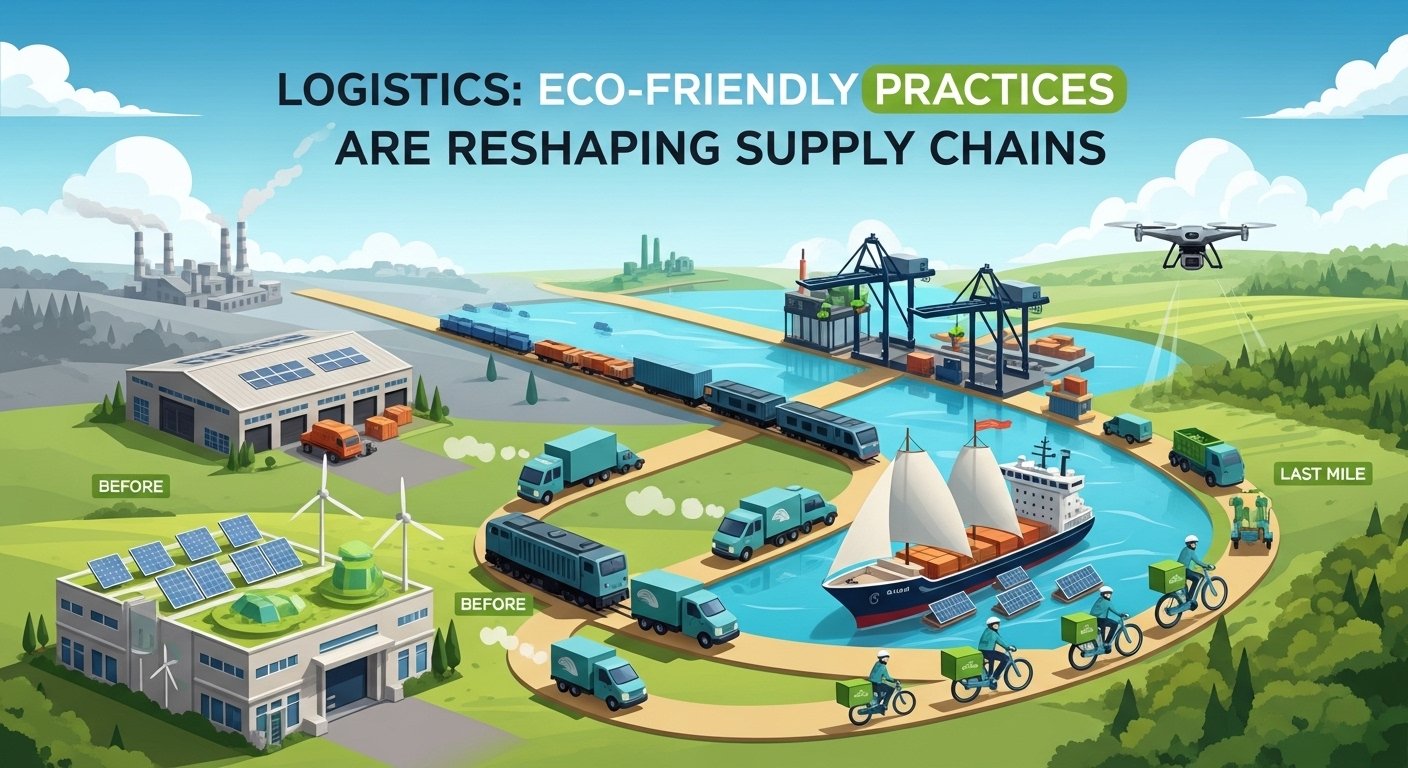
In today’s rapidly evolving business environment, the role of eco-conscious logistics has become more critical than ever. Companies worldwide are recognizing the urgent need to implement sustainable strategies in their operations. One notable player leading this transformation is Logisths, a logistics innovator committed to reshaping supply chains through environmentally responsible practices. By integrating green solutions and energy-efficient methods, Logisths is not only reducing its carbon footprint but also setting a benchmark for the global logistics industry.
The shift toward sustainability in logistics has emerged as a response to increasing environmental concerns, regulatory pressures, and consumer expectations. Supply chains, traditionally focused on speed and cost-efficiency, are now being reimagined through the lens of ecological responsibility. Logisths has embraced this paradigm shift, demonstrating that operational efficiency and environmental stewardship can coexist harmoniously.
The Growing Need for Eco Friendly Supply Chains
The logistics sector is responsible for a significant portion of global carbon emissions. Transport vehicles, packaging waste, and energy-intensive warehousing contribute heavily to environmental degradation. Recognizing these challenges, Logisths has committed to minimizing its environmental impact by implementing eco-friendly practices across all supply chain stages.
One of the most impactful strategies employed by Logisths is optimizing transport routes using advanced data analytics. By calculating the most efficient paths for delivery vehicles, fuel consumption is reduced, lowering greenhouse gas emissions. Additionally, the adoption of electric and hybrid fleets further diminishes reliance on fossil fuels, demonstrating the tangible benefits of eco-conscious logistics management.
Moreover, Logisths emphasizes sustainable packaging solutions. Traditional packaging materials often end up in landfills, posing a severe ecological threat. By introducing biodegradable and recyclable alternatives, Logisths ensures that the environmental cost of packaging is minimized, aligning with the broader goal of reducing the logistics sector’s ecological footprint.
Sustainable Warehousing and Energy Efficiency
Warehousing forms the backbone of supply chain operations, and its energy consumption can be substantial. Logisths has pioneered the use of energy-efficient technologies in its storage facilities. Solar panels, LED lighting systems, and smart temperature control mechanisms collectively contribute to significant energy savings. The integration of these technologies showcases how green practices can be seamlessly embedded into core logistics operations.
| Warehousing Practice | Traditional Approach | Logisths Eco-Friendly Approach | Environmental Impact |
|---|---|---|---|
| Lighting | Fluorescent bulbs | LED with motion sensors | 40% energy reduction |
| Energy Source | Conventional grid | Solar and renewable energy | 60% carbon reduction |
| Temperature Control | Standard HVAC | Smart climate systems | 35% energy savings |
| Packaging Storage | Single-use pallets | Recycled pallets and crates | Reduced waste by 50% |
The table above illustrates how Logisths integrates eco-friendly practices into warehousing, reflecting a measurable impact on sustainability and operational efficiency.
Eco-Friendly Transportation Strategies
Transportation accounts for a major share of carbon emissions in global supply chains. Understanding this, Logisths has invested in cutting-edge technologies to minimize environmental impact. One approach involves leveraging route optimization software that reduces unnecessary mileage, ensuring deliveries are conducted efficiently. Additionally, the company is progressively transitioning to electric vehicles (EVs) and hybrid models for last-mile deliveries.
This transition offers multiple benefits. Not only does it lower carbon emissions, but it also reduces operational costs over time. Logisths has also explored partnerships with renewable energy providers to power charging stations for its EV fleets, creating a fully integrated green transport ecosystem. By prioritizing clean energy solutions, Logisths demonstrates how innovation can drive sustainable logistics practices without compromising service quality.
Integrating Circular Economy Principles
Another noteworthy aspect of Logisths’ eco-friendly approach is the adoption of circular economy principles. By reusing, refurbishing, and recycling materials, the company reduces waste and fosters a culture of sustainability. Packaging materials, for instance, are designed for multiple cycles of use, minimizing the need for raw resources. This approach not only conserves the environment but also delivers financial benefits by lowering procurement costs.
| Circular Economy Focus | Implementation at Logisths | Outcome |
|---|---|---|
| Packaging Reuse | Recyclable crates and pallets | 50% reduction in material cost |
| Vehicle Parts | Refurbished components for EVs | Extended lifecycle of fleets |
| Waste Management | Comprehensive recycling programs | Minimized landfill contribution |
| Energy Utilization | Solar-powered warehouses | Reduced energy bills by 30% |
The table above highlights Logisths’ integration of circular economy strategies into supply chain operations, underlining both ecological and economic advantages.
Technology as a Catalyst for Sustainable Logistics
Technology plays a crucial role in enabling eco-friendly logistics practices. Logisths leverages advanced data analytics, AI, and Internet of Things (IoT) devices to monitor, predict, and optimize every stage of the supply chain. Real-time tracking allows for precise resource allocation, while predictive analytics anticipate demand fluctuations, preventing overproduction and unnecessary transport.
IoT-enabled sensors monitor vehicle performance, warehouse conditions, and energy usage, providing actionable insights to enhance sustainability. By collecting and analyzing large volumes of operational data, Logisths ensures that each decision prioritizes environmental responsibility alongside efficiency and cost-effectiveness.
Moreover, digital platforms facilitate collaboration with suppliers and clients who share the same commitment to sustainability. Through transparent reporting and eco-performance metrics, Logisths fosters a network of stakeholders dedicated to green supply chain practices.
Corporate Responsibility and Environmental Awareness
Sustainability extends beyond operational strategies; it reflects a company’s broader commitment to corporate social responsibility (CSR). Logisths actively promotes environmental awareness among employees, partners, and customers. Regular training programs, green certifications, and knowledge-sharing workshops encourage a culture of eco-conscious decision-making.
Consumers are increasingly drawn to brands that prioritize sustainability. By adopting eco-friendly practices, Logisths not only mitigates environmental risks but also strengthens its reputation as a responsible logistics provider. This alignment between environmental stewardship and business growth illustrates the potential for sustainable logistics to drive both ecological and economic benefits.
Challenges and Future Outlook
Despite significant progress, implementing eco-friendly supply chains is not without challenges. High initial investment costs, regulatory complexity, and technological limitations can hinder adoption. However, Logisths addresses these barriers through phased implementation strategies, strategic partnerships, and continuous innovation.
Looking forward, the company aims to expand its green logistics initiatives globally. Research into alternative fuels, AI-driven optimization, and biodegradable materials continues to guide Logisths’ strategy. By embracing innovation and sustainability as core principles, Logisths is positioned to redefine how supply chains operate in the 21st century.
| Challenge | Logisths Solution | Expected Impact |
|---|---|---|
| High Initial Costs | Phased implementation and green financing | Gradual ROI with sustainability gains |
| Technological Limitations | Investment in AI and IoT systems | Enhanced efficiency and reduced emissions |
| Regulatory Complexity | Compliance teams and industry partnerships | Smooth adoption across regions |
| Consumer Expectations | Transparent reporting and green branding | Improved customer loyalty and market competitiveness |
This table summarizes the key challenges faced by logistics companies and how Logisths mitigates them effectively, ensuring both sustainability and operational excellence.
Conclusion
In conclusion, Logisths exemplifies how eco-friendly practices can transform supply chains into sustainable, efficient, and socially responsible systems. Through investments in green transportation, energy-efficient warehousing, circular economy strategies, and cutting-edge technology, Logisths is setting new industry standards.
The global logistics sector is at a crossroads, with environmental considerations no longer optional but essential. Logisths’ approach demonstrates that sustainability and profitability are not mutually exclusive. By embracing eco-friendly practices, logistics companies can reduce their ecological footprint, meet regulatory expectations, and satisfy environmentally conscious consumers.
As businesses worldwide seek to align operations with sustainability goals, Logisths serves as a model for the future. By reshaping supply chains through eco-friendly practices, the company proves that logistics innovation and environmental stewardship can go hand in hand, ensuring a greener, more responsible future for global commerce.