
 By Team@valentinanewyork.com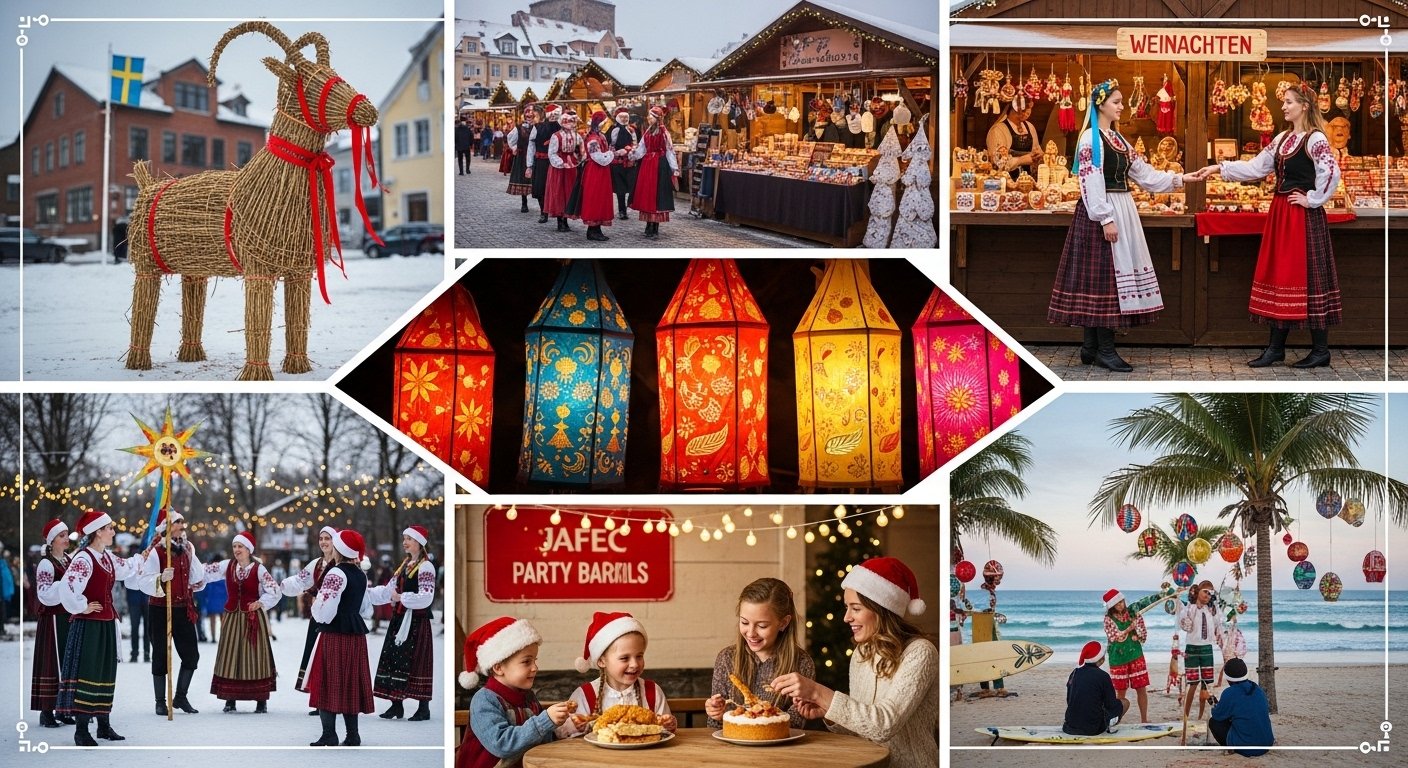
The celebration of Nativität, or the Nativity, is one of the most cherished traditions across the globe. While often associated with religious observances marking the birth of Christ, Nativität encompasses a rich tapestry of customs, rituals, and festive expressions unique to different cultures. From Europe to Latin America, Asia to Africa, each region interprets and celebrates Nativität in ways that reflect its history, environment, and community values. Understanding these diverse traditions provides a deeper appreciation of how a single holiday can manifest in countless meaningful ways, influencing music, art, cuisine, and community gatherings.
The Origins and Historical Significance of Nativität
The roots of Nativität trace back to early Christian traditions, which commemorated the birth of Jesus in Bethlehem. Over centuries, the celebration evolved to include local customs, blending pre-Christian winter rituals with religious observances. In many European countries, Nativität traditions were intertwined with solstice festivities, emphasizing light, renewal, and community cohesion. As Christianity spread worldwide, these customs adapted to local beliefs, climates, and cultural practices. The result is a fascinating mosaic of celebrations that, while united by the theme of Nativität, display remarkable regional diversity.
Historically, Nativität has served as a moment to bring communities together, fostering social bonds and intergenerational transmission of cultural knowledge. From storytelling and music to handcrafted decorations and communal feasts, each aspect of Nativität is imbued with symbolic meaning. In addition, Nativität reflects the broader human desire to celebrate life, hope, and generosity during the winter season.
Nativität Traditions in Europe
Europe boasts some of the most widely recognized Nativität customs, with countries adapting unique elements to their cultural contexts. In Germany and Austria, for instance, elaborate Christmas markets feature handcrafted ornaments, wooden nativity scenes, and seasonal treats. The creation of the nativity tableau, often called a “Krippe,” is a central Nativität tradition in these regions, symbolizing the spiritual and communal essence of the holiday.
In Italy, Nativität takes on vibrant forms through the art of “presepi,” intricately crafted nativity scenes displayed in homes, churches, and public spaces. In Spain, festive parades and processions, sometimes called “Cabalgatas,” dramatize the arrival of the nativity story, blending pageantry, music, and community participation. These European practices highlight the interplay of religious devotion, artisanal craft, and communal celebration, each adding distinct layers to the global understanding of Nativität.
| Country | Unique Nativität Tradition | Cultural Significance |
|---|---|---|
| Germany | Krippe nativity displays | Emphasizes craftsmanship and family bonding |
| Italy | Presepi miniature scenes | Combines art, faith, and local folklore |
| Spain | Cabalgata parades | Public celebration blending performance art |
| Austria | Weihnachtsmarkt Christmas markets | Community gathering and seasonal commerce |
Nativität Celebrations in the Americas
In Latin America, Nativität is marked by exuberant celebrations that combine indigenous customs with Catholic traditions. In Mexico, the tradition of “Posadas” recreates the journey of Mary and Joseph, involving community processions, songs, and symbolic door-to-door rituals. Families often culminate the Posadas with festive meals and piñata games, emphasizing generosity and social cohesion.
In Brazil, Nativität blends religious observances with vibrant public festivities. Nativity scenes, known as “Presépios,” are often combined with street celebrations, music, and fireworks. In the United States, Nativität traditions reflect the diverse immigrant communities, incorporating European, Latin American, and African influences. From elaborate church services to neighborhood decorations and community pageants, the essence of lies in both reverence and joyful public participation.
| Country | Unique Nativität Tradition | Cultural Significance |
|---|---|---|
| Mexico | Posadas processions | Reinforces community bonds and faith |
| Brazil | Presépios with street celebrations | Merges religion with public festivities |
| USA | Multicultural displays and pageants | Reflects diversity and collective expression |
| Colombia | Nochebuena family feasts | Family unity and festive hospitality |
Nativität Across Africa and Asia
African nations also celebrate Nativität with distinct regional variations. In Ethiopia, for example, aligns with the Ethiopian Orthodox calendar, observed on January 7. Celebrations include church services, traditional songs, and communal feasts with local dishes such as injera and wat. In Nigeria, Christian communities organize nativity plays and village festivals, blending traditional music and attire with religious storytelling.
Asia presents unique adaptations of Nativität influenced by local religions, climate, and social structures. In the Philippines, one of the largest Christian populations in Asia observes with extended festivities called “Simbang Gabi,” involving pre-dawn masses, lantern parades, and elaborate decorations. In Japan, where Christianity is a minority religion, is celebrated more as a cultural event with light displays, gift-giving, and festive cakes, reflecting the global commercialization and adaptation of the holiday.
| Country | Unique Nativität Tradition | Cultural Significance |
|---|---|---|
| Ethiopia | Orthodox Church services and feasts | Spiritual devotion and community sharing |
| Nigeria | Nativity plays and village festivals | Blends tradition with religious storytelling |
| Philippines | Simbang Gabi early morning masses | Religious dedication and communal celebration |
| Japan | Cultural celebration with lights and gifts | Adaptation of tradition in a secular context |
Symbolism, Music, and Cuisine of Nativität
The richness of Nativität extends beyond rituals to symbolism, music, and cuisine. Across cultures, nativity scenes and decorations symbolize hope, new beginnings, and divine presence. Traditional music, ranging from German carols to Latin American villancicos, reinforces communal identity and emotional connection during.
Cuisine plays a central role in Nativität celebrations, showcasing local ingredients and culinary artistry. For instance, European families prepare gingerbread and stollen, while Latin American households serve tamales and sweet bread. African and Asian communities incorporate regional flavors, creating meals that are both celebratory and culturally expressive. These culinary practices emphasize that is not only a spiritual observance but also a multisensory experience that brings people together.
| Region | Traditional Nativität Food | Symbolic Meaning |
|---|---|---|
| Europe | Stollen, gingerbread | Family unity and seasonal warmth |
| Latin America | Tamales, sweet bread | Generosity and festive joy |
| Africa | Injera with stews, local breads | Sharing and community bonding |
| Asia | Cakes, lantern-shaped desserts | Celebration and adaptation of tradition |
Modern Interpretations and Global Influence
In the modern era, Nativität has transcended religious boundaries to become a global cultural phenomenon. Media, travel, and technology have facilitated the sharing of traditions, inspiring new forms of celebration that blend multiple cultural elements. Urban centers around the world now feature public light displays, live performances, and multicultural markets during the season, reflecting both globalization and local creativity.
Contemporary Nativität emphasizes inclusivity, sustainability, and innovation. Eco-conscious decorations, digital nativity experiences, and charitable initiatives are increasingly part of the celebration. Despite these changes, the core values of community, generosity, and reflection remain central. This evolution highlights the ability of cultural traditions to adapt while preserving their essential meaning, ensuring that remains relevant and resonant for future generations.
Conclusion
The global celebration of Nativität illustrates the profound ways in which a single tradition can take on countless forms, reflecting local customs, histories, and social values. From the intricate presepi of Italy to the vibrant Posadas of Mexico, from Ethiopian church feasts to Filipino lantern parades, connects people through shared experience, spiritual reflection, and communal joy.
Understanding these unique customs enriches our appreciation of cultural diversity, demonstrating that the spirit of is universal embodying hope, unity, and the celebration of life. Through music, food, rituals, and artistry, continues to inspire people worldwide, reminding us that traditions can bridge differences and create meaningful connections across time and space.