
The allure of Sagės has fascinated jewelry enthusiasts for centuries. These ornamental brooches are more than mere accessories; they are symbols of history, fashion, and personal expression. From antique heirlooms passed down through generations to contemporary statement pieces designed to complement modern attire, hold a unique place in the world of adornments. Understanding the different types of Sagės and their distinct characteristics can enhance both appreciation and practical styling.
The Historical Significance of Sagės
Sagės have a rich history that dates back to ancient civilizations. In the past, these decorative pieces were often used not just as fashion statements but as indicators of social status, wealth, and allegiance. Various cultures developed their own styles, embedding unique symbols, patterns, and materials into their designs. For instance, European Sagės from the medieval period were often intricately crafted with precious metals and gemstones, symbolizing nobility and influence. Meanwhile, in other regions, were made from natural materials such as bone, wood, and clay, highlighting craftsmanship and cultural storytelling.
| Era | Material | Distinctive Feature |
|---|---|---|
| Medieval Europe | Gold, silver, gemstones | Symbolic engravings, heraldic motifs |
| Ancient China | Jade, bronze | Intricate carvings, auspicious symbols |
| Victorian Era | Enamel, pearls | Romantic motifs, floral designs |
| Modern Day | Mixed metals, resin | Bold shapes, customizable designs |
The diversity of in historical contexts demonstrates how each period influenced the evolution of their designs, merging function and artistic expression.
Types of Sagės and Their Unique Traits
Sagės can be categorized based on design, material, and function. Each type has its own personality and purpose, reflecting the wearer’s style and the craftsmanship behind it.
Antique Sagės
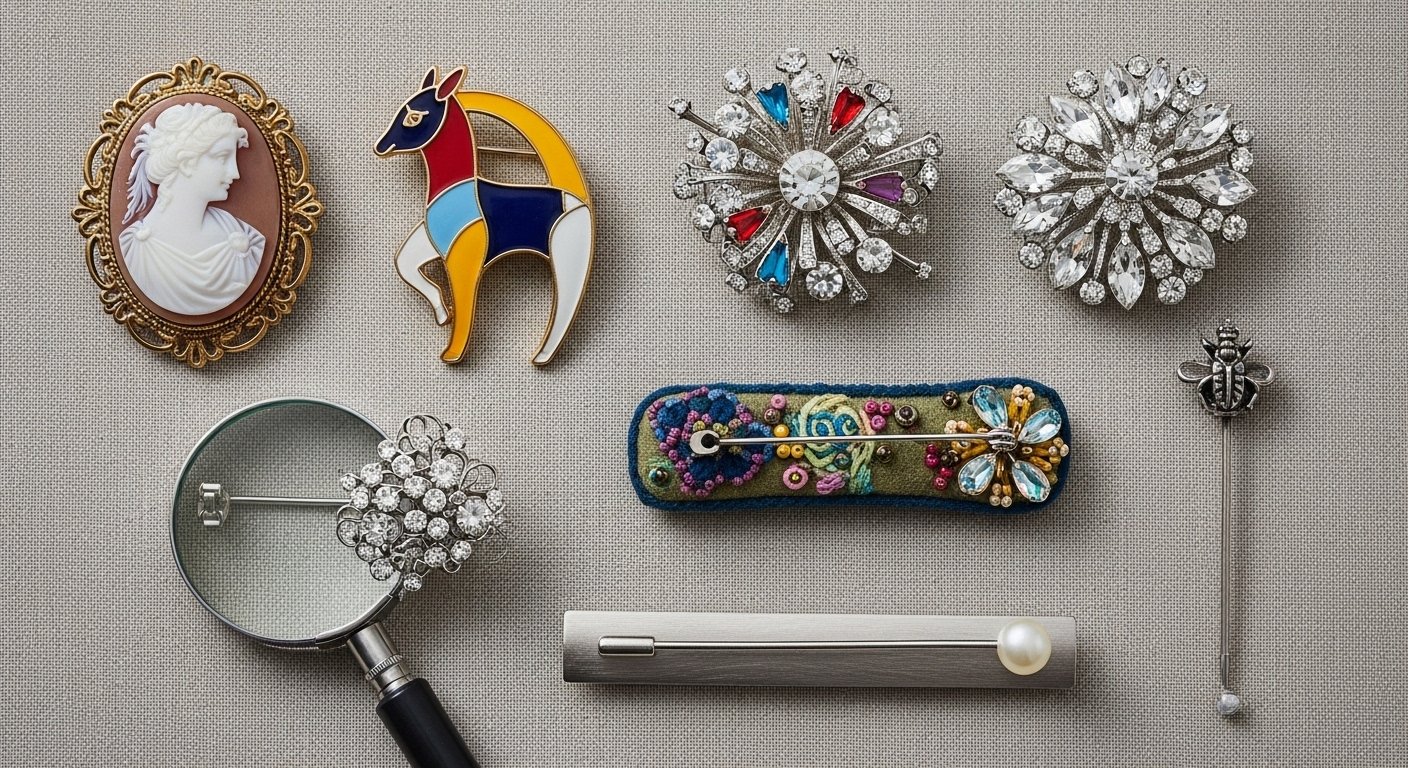
Antique Sagės are treasured for their intricate artistry and historical value. These brooches often feature detailed filigree work, delicate engravings, and a combination of precious metals with gemstones. Their unique traits include a timeless appeal and the ability to serve as conversation starters due to their provenance and craftsmanship. Collectors often seek antique for their authenticity and the stories they carry from previous generations.
Modern Sagės
Modern Sagės break traditional molds, introducing innovative materials, abstract designs, and bold statements. Unlike their antique counterparts, modern brooches often utilize contemporary materials such as acrylics, resin, or stainless steel. These are versatile, offering adaptability in styling—from casual wear to formal occasions. Their unique traits include flexibility in design, lighter weight, and sometimes modular components that allow for personal customization.
| Type | Material | Typical Use | Unique Trait |
|---|---|---|---|
| Antique | Gold, silver, gemstones | Collectibles, formal attire | Historical significance |
| Modern | Resin, mixed metals | Everyday fashion, work attire | Bold, adaptable designs |
| Vintage | Enamel, pearls | Special events, casual wear | Nostalgic charm |
| Thematic | Fabric, leather, crystals | Fashion statements, cosplay | Creative storytelling |
Vintage Sagės
Vintage Sagės often sit between antique and modern categories, representing designs from the mid-20th century. These pieces feature classic motifs, often inspired by art movements like Art Deco or Mid-Century Modern. The charm of vintage lies in their ability to evoke nostalgia while remaining stylish and wearable in contemporary fashion. Their traits often include bright enamel finishes, geometric patterns, and elegant craftsmanship.
Thematic Sagės
Thematic Sagės are designed around specific ideas, concepts, or trends. From floral motifs and animal designs to pop culture references, these brooches tell stories visually. Their uniqueness stems from creativity and expression rather than historical significance. Fashion enthusiasts often use thematic to express personal identity or complement particular outfits in a way that traditional designs might not allow.
Materials and Craftsmanship
The materials used in creating Sagės significantly influence their aesthetics and durability. Traditional are often made of gold, silver, and gemstones, requiring meticulous craftsmanship to achieve intricate designs. Modern, in contrast, may incorporate synthetic materials like acrylic, resin, and lightweight alloys. Each material choice affects the piece’s weight, texture, and overall appeal. Craftsmanship is not only about visual appeal but also about the structural integrity of the brooch. Well-crafted ensure longevity while retaining their decorative allure.
| Material | Advantages | Common Uses | Distinctive Look |
|---|---|---|---|
| Gold | Durability, luxury appeal | Antique Sagės, heirlooms | Shiny, opulent |
| Silver | Affordable elegance | Everyday wear | Smooth, reflective |
| Gemstones | Adds color, value | Statement pieces | Sparkling, colorful |
| Resin | Lightweight, customizable | Modern designs | Versatile, bright |
Understanding the interplay between materials and design traits is crucial for anyone looking to build a meaningful collection.
Styling and Wearing Sagės
Sagės are remarkably versatile, making them suitable for both casual and formal wear. One can attach them to coats, scarves, hats, or even handbags, enhancing an outfit’s aesthetic without overwhelming it. The unique traits of each type guide their placement and styling. Antique are ideal for formal gatherings, adding a touch of sophistication. Vintage pieces can elevate mid-range outfits with a nostalgic charm, while modern and thematic Sagės can inject personality into everyday fashion. Experimenting with layering multiple can create a dynamic, personalized look.
| Placement | Outfit Type | Recommended Sagės |
|---|---|---|
| Lapel | Formal jackets | Antique, vintage |
| Scarf | Casual chic | Modern, thematic |
| Hat | Outdoor or fashion events | Thematic, modern |
| Bag | Everyday fashion | Lightweight modern Sagės |
The key to styling is balancing the visual impact of Sagės with the rest of the outfit. Overloading can overwhelm, while a single strategically placed can define an entire look.
Collecting Sagės
Collecting Sagės has grown into a popular hobby, blending history, art, and fashion. Collectors often seek rare antique pieces, thematic sets, or designer creations. Understanding the traits and types of helps in identifying valuable pieces and appreciating their craftsmanship. Maintaining a collection involves proper storage to prevent tarnishing, careful cleaning, and occasional appraisal to understand the market value. The diversity of ensures that collectors can find pieces that resonate with both their aesthetic preferences and historical interests.
Conclusion
Sagės are not just ornamental pieces they are artifacts of style, culture, and creativity. From antique brooches with historical significance to modern and thematic designs that express personal identity, offer an unmatched blend of artistry and fashion. By understanding the different types, unique traits, materials, and styling options, enthusiasts can fully appreciate the enduring charm of Sagės. Whether worn as a statement piece, added to a collection, or gifted to a loved one, continue to enrich the world of personal adornment with elegance, versatility, and timeless beauty.